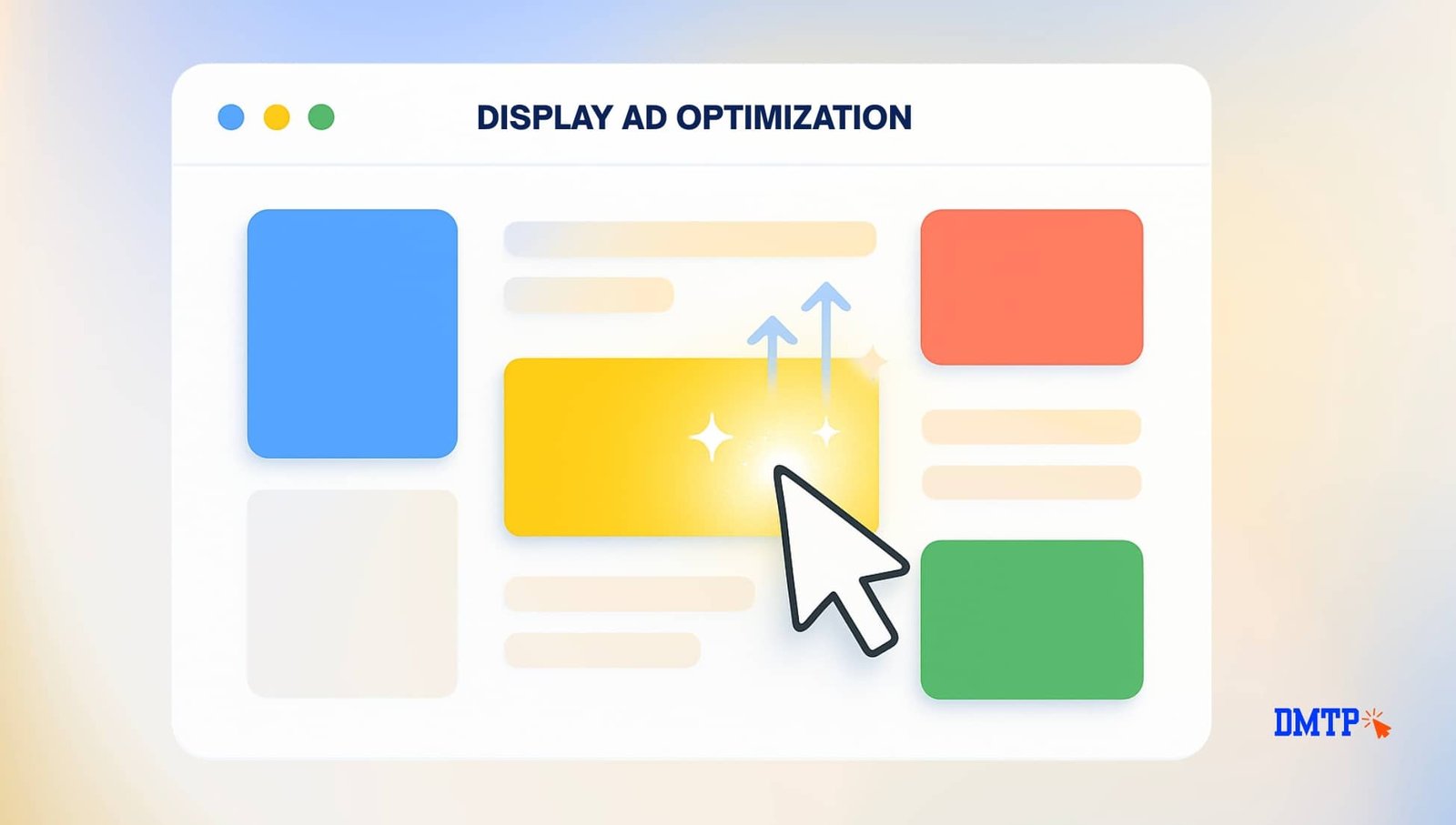
If you’ve ever asked “what are display ads and how can I make them work better for my business?”, you’re in the right spot. No matter if you’re running banner advertisements through the Google Display Network or launching Remarketing campaigns, display advertising isn’t all about beautiful images. It’s all about the strategy behind it, as well as psychology and the performance.
This guide will go over the definition of display ads and explore different types of display ads, offer concrete examples, and teach you how to drastically increase your click-through rate (CTR) with practical techniques that have been tested.
What Are Display Ads?
Display ads are advertisements that are visual that are displayed on websites apps, websites, or social platforms. Contrary to search ads, which depend on keywords and text for display ads, display advertisements employ images, banners videos, images, or other interactive elements to draw interest.
The ads are typically seen in:
- Sidebars and headers on websites
- Mobile apps
- YouTube videos
- Gmail promotions tab
- Blogs and news portals
An example of a advertisement for display:
Imagine that you were browsing Nike footwear on a website. On the next day, watching the stories on CNN you come across an image advertisement promoting these exact shoes at discounts. This is display retargeting at work.
Why Display Ad Optimization Matters
Many companies invest money into display ads but only to experience very low levels of response and low ROI. According Wordstream Wordstream the CTR average on display advertising across different industries is only 0.46 percent (vs. 1.91 percent in search advertisements).
However, with the right optimization it is possible to dramatically improve visibility, get more clicks and lower the cost per click (CPC).
Types of Display Ads
Before you optimize, be aware of the various kinds of advertisements you are able to use:
| Type | Description | Best For |
|---|---|---|
| Static Banner Ads | Still images, typically with CTAs. CTA | Branding, awareness |
| Responsive Display Ads | Auto-adjust format across devices | Google Ads campaigns |
| Animated Ads | GIF-style movements or HTML5 animations | Engagement Promotions, engagement |
| Native Display Ads | Blend into the layout of content | Non-intrusive experiences |
| Interactive Ads | Let users interact with the app (e.g. swipe, swiping, hovering) | High engagement, demos |
| Retargeting Ads | Visitors who came to your website | Conversions cart recovery |
How to Optimize Display Ads for Better CTR
Here’s the display advertisement Optimization framework:
1. Use Attention-Grabbing Visuals
- Eyes, emotions eyes, and emotions enhance focus (source: Nielsen Norman Group)
- Make use of striking colors and use contrast (but remain true to your brand)
- Illustrations that you test against real photographs (sometimes authenticity is the winner)
2. Craft Click-Worthy CTAs
- Be specific and action-oriented: “Get 25% Off”, “Start Your Free Trial”, “Claim Offer”
- Avoid vague phrases like “Click Here”
- Use urgency or exclusiveness: “Ends Tonight”, “Only 3 Left”
3. Match Ad Innovative with the Landing Page
A consistent ad and destination increases confidence and increases conversions. Align:
- Headline text
- Images and colors
- Product or offer details
4. Use Smart Audience Targeting
Display advertisements often fail because of inadequate targeted. Use:
- Customized Target Audiences (people actively looking for similar subjects)
- Market Segments (users willing to buy)
- Listes of Remarketing (warm prospects)
5. Test Ad Sizes and Placements
Top-performing display sizes (Google Ads):
- 300×250 (Medium Rectangle)
- 728×90 (Leaderboard)
- 160×600 (Wide Skyscraper)
- 320×100 (Mobile Banner)
Make use of adaptive ads to fill in more inventory.
6. Run A/B Tests Regularly
Test:
- Headlines
- Images
- Background colors
- CTA button Text
Double up on the winners.
Real-World Display Advertisement Example
Brand: Grammarly
Goal: Acquire users via remarketing
Ad Format: Responsive Display Ads
Optimization:
- Real-time grammar errors were used as triggers for visuals
- Personalized CTA: “Fix Your Writing Now”
- Retargeted users who have abandoned sign-up
Results: Increased CTR by 31 percent and reduced CPC by 18 percent in the span of 6 weeks
The Role of AI & Emerging Technologies in Display Ad Optimization
AI is changing the way advertisements for display are designed, implemented, and optimized:
AI-Powered Targeting
Platforms such as Google Ads use machine learning to determine which customers tend to convert, thus increasing relevancy and CTR.
Automated Creative Optimization (ACO)
Google’s Responsive Display Ads automatically create combination of headlines and pictures, as well as descriptions, and then test their effectiveness at large.
Predictive Audience Segments
AI examines patterns of user behavior (even over multiple devices) to identify micro-targeted segments which you could not define manually.
AI Copywriting Assistants
Tools such as Jasper, Writesonic, and ChatGPT aid in the creation of engaging CTA and advertising copy ideas quickly.
Tips: Combine AI testing with human imagination to keep it true while also maximizing the impact.
Common Mistakes to Avoid
- The same content has been used for months, with no changes
- Users are directed to a generic home page instead of a specific landing page
- The banners that are overloaded with text (Google suggests 20 percent coverage of text)
- We are ignoring those who use mobile devices (over 60 percent of display ad traffic is mobile)
Display Advertisement Best Practices Checklist
Make use of emotionally engaging images
Include a clear, action-oriented CTA
Changes to the test ad every two weeks
Target warm audiences (remarketing, lookalikes)
Design your ad to align with the experience on landing page
Evaluation of performance using devices and place
Utilize AI tools to improve the ability to target and test
FAQs About Display Advertisement Optimization
What are display advertisements and how do they function?
Display ads are advertisements that appear in the form of visuals that are displayed on websites, apps and social platforms. They target particular audiences based on their preferences, behaviour or demographics, thereby driving the traffic and gaining awareness.
What are the primary kinds of advertisements for display?
The most popular types include static banner ads and responsive display ads. native advertisements, animated ads and retargeting advertisements.
How can I increase the number of clicks on ads that I display?
Utilize eye-catching visuals with targeted messaging, appropriate landing pages and frequently try out different elements.
Are advertisements for display effective for small firms?
Yes, particularly with geo-targeting and Remarketing small-scale businesses can create leads and brand recognition at a fraction of the cost.
How do you think AI altering display advertising?
AI automates audience targeting, creative tests and optimization of ad placement to help brands reach those who are most interested with the appropriate content at exactly the right moment.